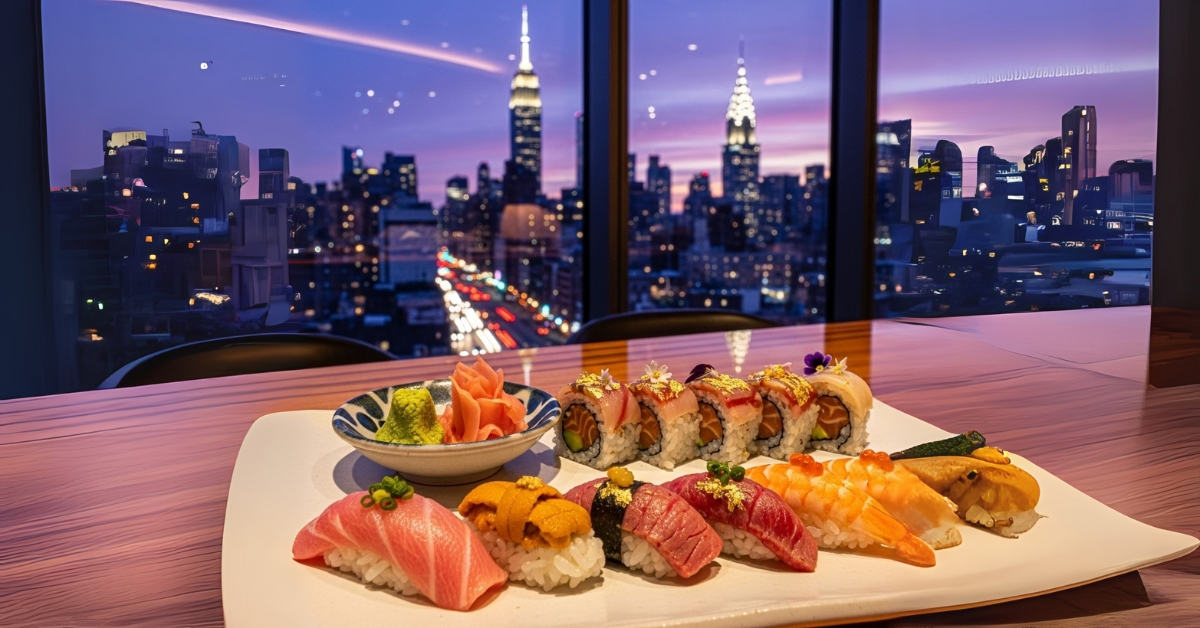
After spending enough on NYC sushi to fund a small car, I’ve learned that the city’s most expensive sushi restaurants operate in a different universe from your neighborhood spot. We’re talking about places where a single piece of tuna can cost more than entire omakase experiences elsewhere, where reservations require months of planning or the right concierge, and where the price tag starts at $400 before you’ve even considered sake pairings.
Masa, no surprise, consistently tops the list as the most expensive sushi NYC, setting the bar for ultra-luxury.
But here’s what fascinates me after experiencing these temples of sushi excess: the exponential price increases actually follow a weird logic once you understand what drives them.
The most expensive sushi in NYC represents a convergence of factors that create experiences impossible to replicate, even with unlimited money, anywhere else in the world.
How I Select These Elite Sushi Spots
To nail down the “best” and most expensive sushi restaurant in NYC, we laid down some cold, hard facts:
- Price Point: We’re talking omakase menus that kick off typically north of $250-$300 per person, and that’s before drinks, tax, and tip, unless they explicitly say it’s all-in. This threshold ensures we’re only looking at the truly most expensive sushi in NYC, separating the wheat from the merely high-end chaff.
- Critical Acclaim: If it’s got a Michelin star (1, 2, or 3), it’s on our radar. That’s the global gold standard for culinary excellence, you know the drill.
- Exclusivity and Ambiance: Think limited seating, intimate counter dining, unique interior design, and those specific dining rules that crank up the exclusive vibe.
- Chef Pedigree and Culinary Philosophy: We’re looking for places run by sushi masters, often with serious training in Japan or at other Michelin-starred spots, and a clear commitment to specific, high-quality styles, like Edomae.
- Ingredient Sourcing: Big points for restaurants that brag about directly sourcing premium, often rare, ingredients, especially if they’re flown straight from Japan.
NYC’s Most Expensive Sushi: A Comparative Overview
| Restaurant Name | Address | Michelin Stars | Omakase Price (Per Person) | Reservation |
| Masa | 10 Columbus Circle, 4th Floor | 3-Star | $750 (Table), $950 (Hinoki Counter) (Excl. Tax/Tip/Bev) | Book Now |
| Sushi Ichimura | 412 Greenwich St, Tribeca | 1-Star | $475 (Excl. Tax/Gratuity) | Book Now |
| Sushi Noz | 181 E 78th St, Upper East Side | 2-Star | $495 | Book Now |
| Shion 69 Leonard Street | 69 Leonard St, Tribeca | Michelin-Starred | $480 (Incl. Tip) | Resy |
| Jōji | One Vanderbilt, Grand Central Station | 1-Star | $295 (Lunch), $410 (Dinner) (Excl. Tax/Tip/Bev) | Resy |
| Nakaji | 48 Bowery | Michelin-Starred | $365 (Excl. Tax/Gratuity) | Resy |
1. Masa
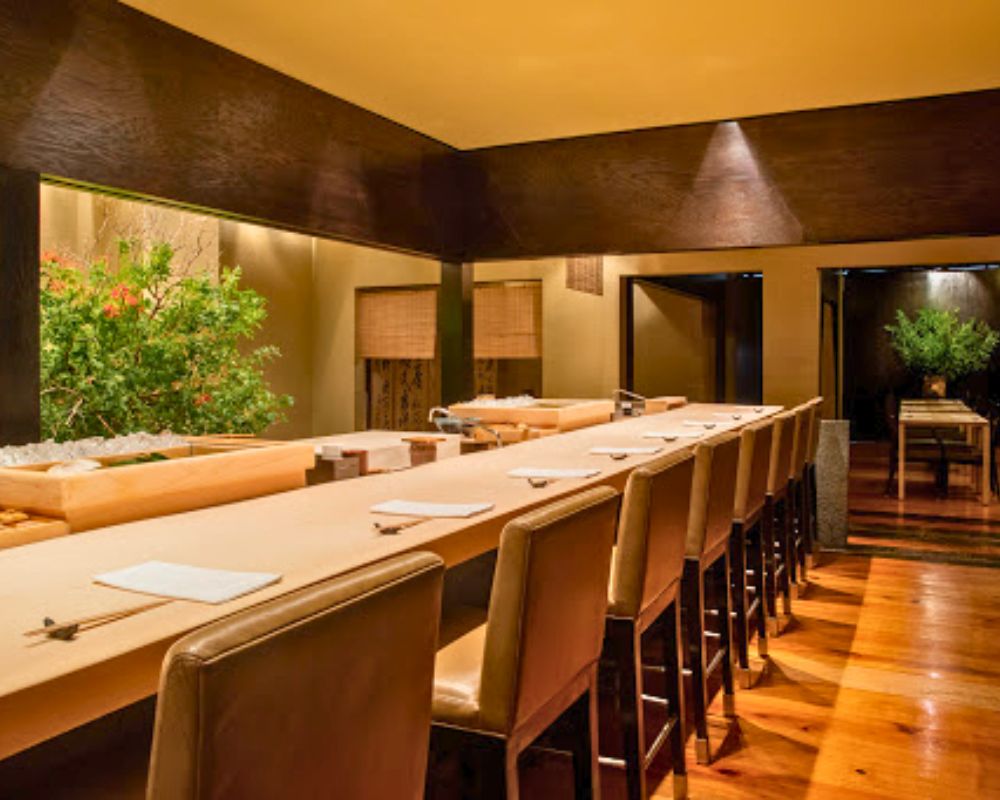
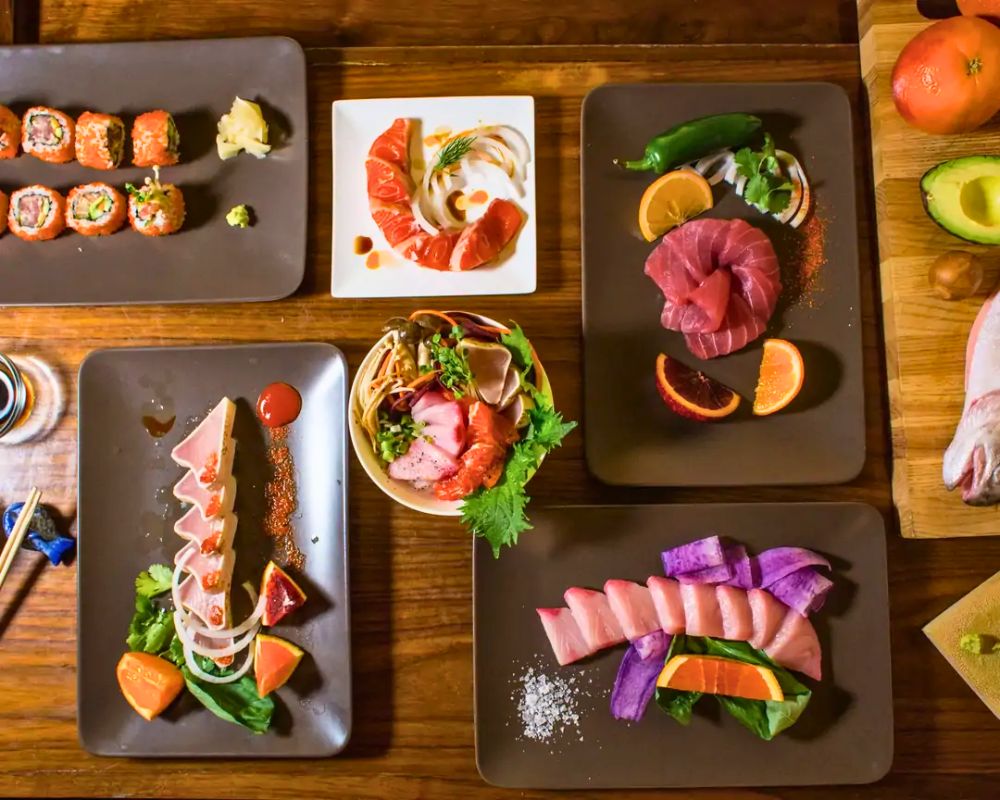
Let’s start with the elephant in the room—or rather, the $950-per-person behemoth that is Masa. Located in the Time Warner Center, Masa isn’t just the most expensive sushi restaurant in NYC; it’s literally called “New York State’s Most Expensive Restaurant.” When you want the absolute pinnacle of expensive sushi NYC, this is your destination.
What blew my mind during my visit (a 40th birthday splurge I’m still recovering from financially) wasn’t just the quality—though the wild bluefin from Spain and the live langostino from Japan were transcendent. It’s the details invisible to most diners: the hinoki cypress counter imported from Japan and sanded daily, the custom-forged yanagiba knives worth more than my rent, the fact that Masa personally selects fish during monthly trips to Tokyo.
They offer two experiences now: the Hinoki Counter at $950 where you’re eyeball-to-eyeball with the chef for two hours of sushi meditation, or the “cheaper” Omakase Table Experience at $750 in the dining room. Neither includes tax, tip, or drinks—corkage alone runs $300 per bottle.
The real kicker? No photos allowed. At all. They’ll politely but firmly ask you to leave if you pull out your phone. Same with heavy fragrances—they don’t want anything interfering with the delicate fish aromas. In our Instagram-everything era, Masa remains defiantly analog. The message is clear: you’re paying for presence, not posts.
2. Sushi Noz
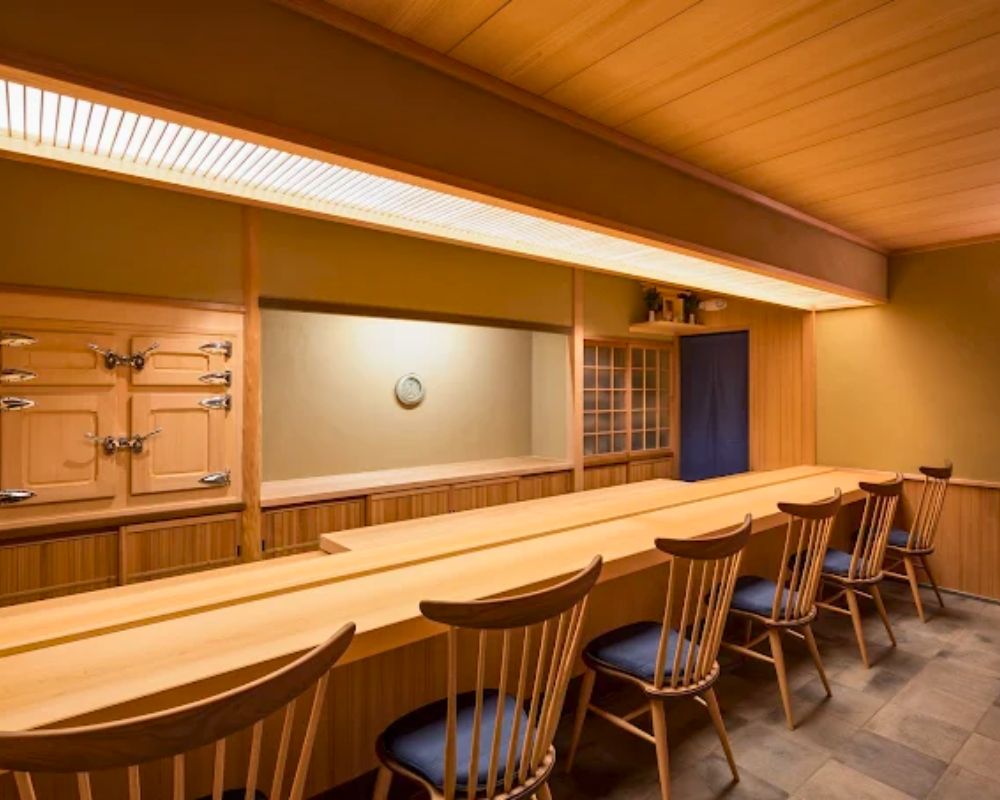
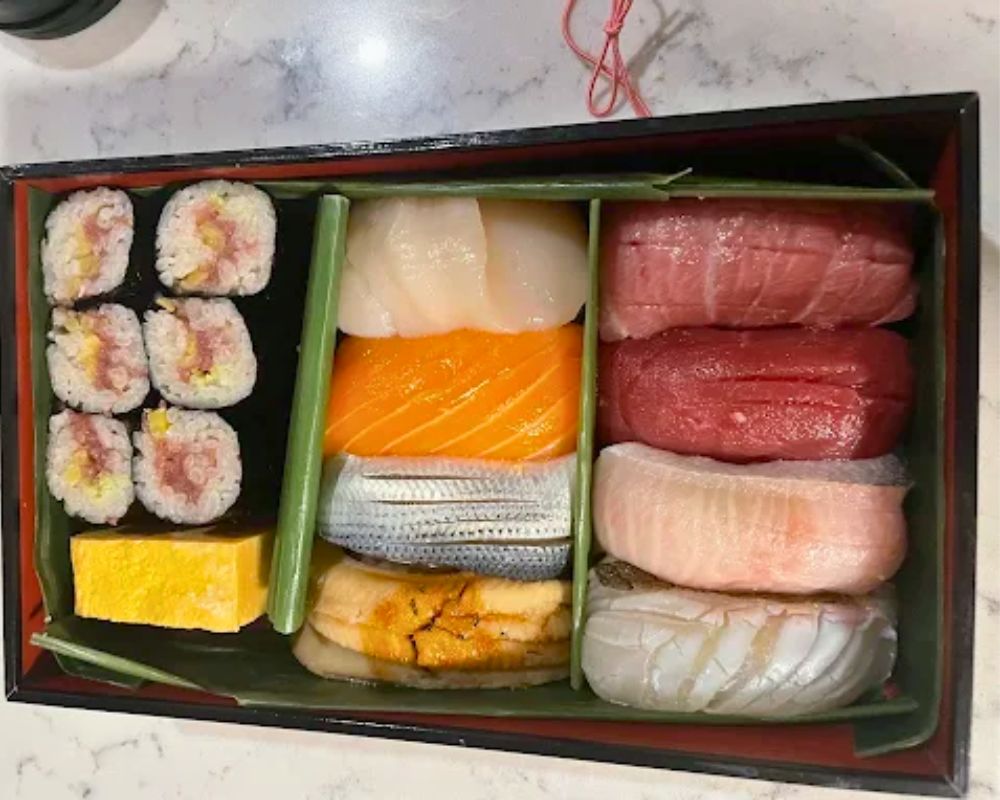
Hidden on East 78th Street, Sushi Noz jumped from one to two Michelin stars in 2023, and at $495 for 21 courses, they’re playing in the same league as the most expensive sushi restaurant in NYC contenders. Chef Nozomu Abe, who goes by “Noz,” brings something different to the table—or rather, to the 200-year-old hinoki wood counter that anchors the space.
The entire restaurant is designed like an ancient Kyoto temple, using Sukiya-style architecture with tons of cedar and—get this—not a single nail in the traditional woodwork. It’s like dining inside a piece of Japanese history. Noz himself usually works the 8-seat Hinoki Counter Monday through Friday, while the 6-seat Ash Room (built with rare Tamo wood) gets the sous chef treatment.
What sets this apart from other expensive sushi places NYC offers is the commitment to Edo-period techniques. We’re talking aging and preparation methods that date back centuries. During my last visit, Noz explained how his grandfather’s seafood company in Hokkaido influenced his approach to fish selection. The sake pairings here run from $175-250 for corkage alone, but their Signature and Prestige pairings showcase bottles you literally can’t find elsewhere.
3. Sushi Ichimura
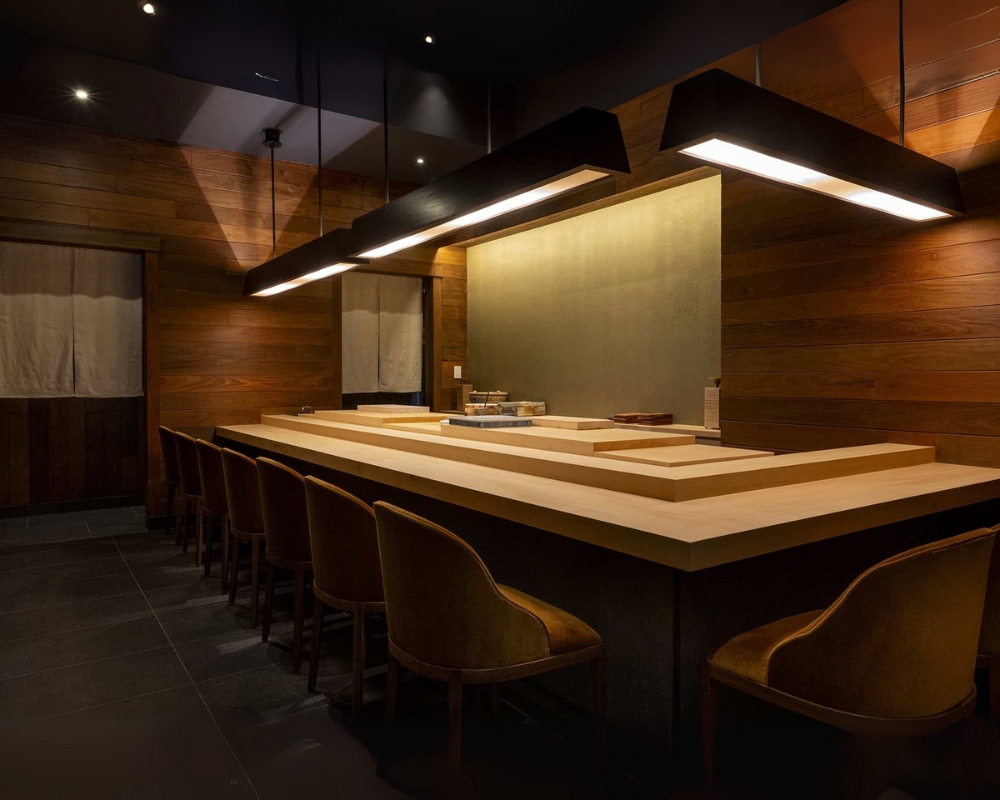
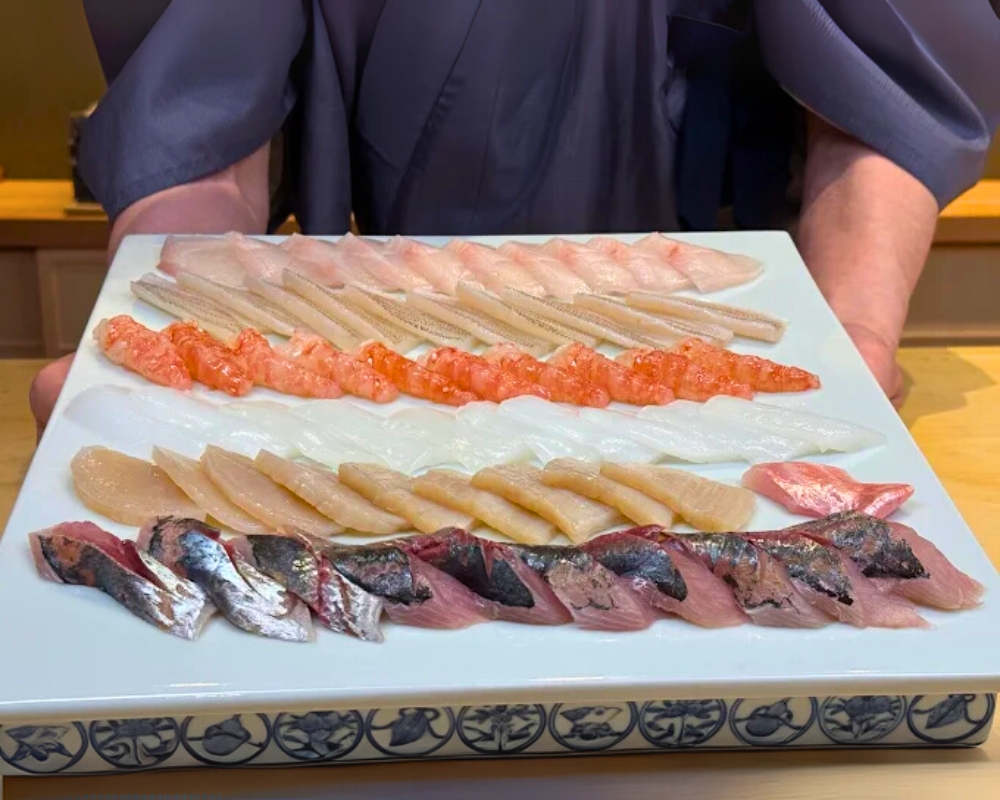
Tucked away on Greenwich Street in Tribeca, Sushi Ichimura earned its Michelin star in year one—no small feat in NYC’s cutthroat sushi scene. At $475 before tax and tip, Chef Eiji Ichimura delivers around 20 courses that blur the line between dinner and art exhibition.
Here’s what makes this one of the best expensive sushi NYC experiences: every single dish arrives on rare antique Japanese lacquerware or one-of-a-kind pieces, including plates handmade by Shiro Tsujimura, a living national treasure in Japanese ceramic art. The dining room features a flawless 200-year-old yellow cedar counter overlooked by a 16th-century gold leaf screen depicting “The Tale of Genji.”
Ichimura himself is a legend—two decades in NYC, previously at Michelin-starred spots like Bar Uchū and Ichimura at Brushstroke. His signature moves include homemade mochi rice crackers stuffed with Hokkaido uni and Kaviari caviar, plus these insane double and triple-layer tuna preparations that showcase different aging techniques in a single bite.
4. Shion 69 Leonard Street
Down in Tribeca, Shion takes a different approach to expensive sushi restaurant NYC pricing—their $480 tag includes gratuity, full stop. No mental math, no awkward calculations, just pure focus on Chef Shion Uino’s craft.
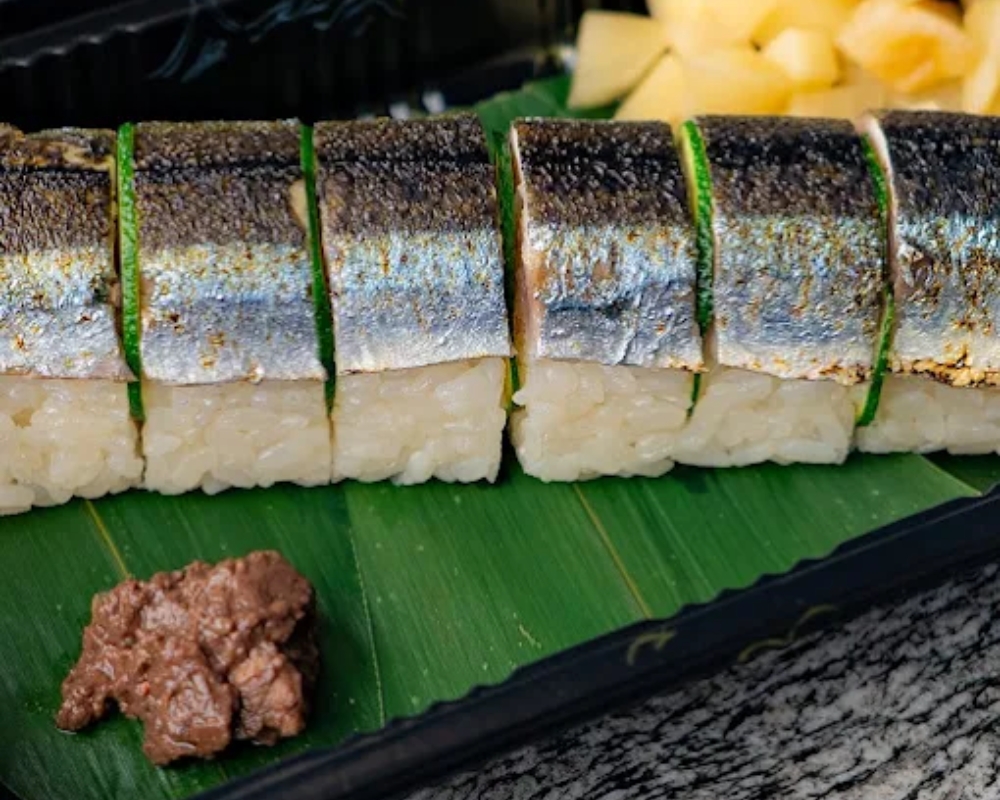
This matters more than you’d think. In the luxury dining world, hidden fees kill the vibe. By going all-inclusive, they’re removing friction from the experience. Chef Shion spent a decade at three-Michelin-starred Sushi Saito in Tokyo before bringing his skills to Leonard Street. His 18-course journey starts with a seven-plate otsumami course that would be a meal anywhere else—butterfish in hot ponzu, cold horsehair crab salad, tilefish with deep-fried scales.
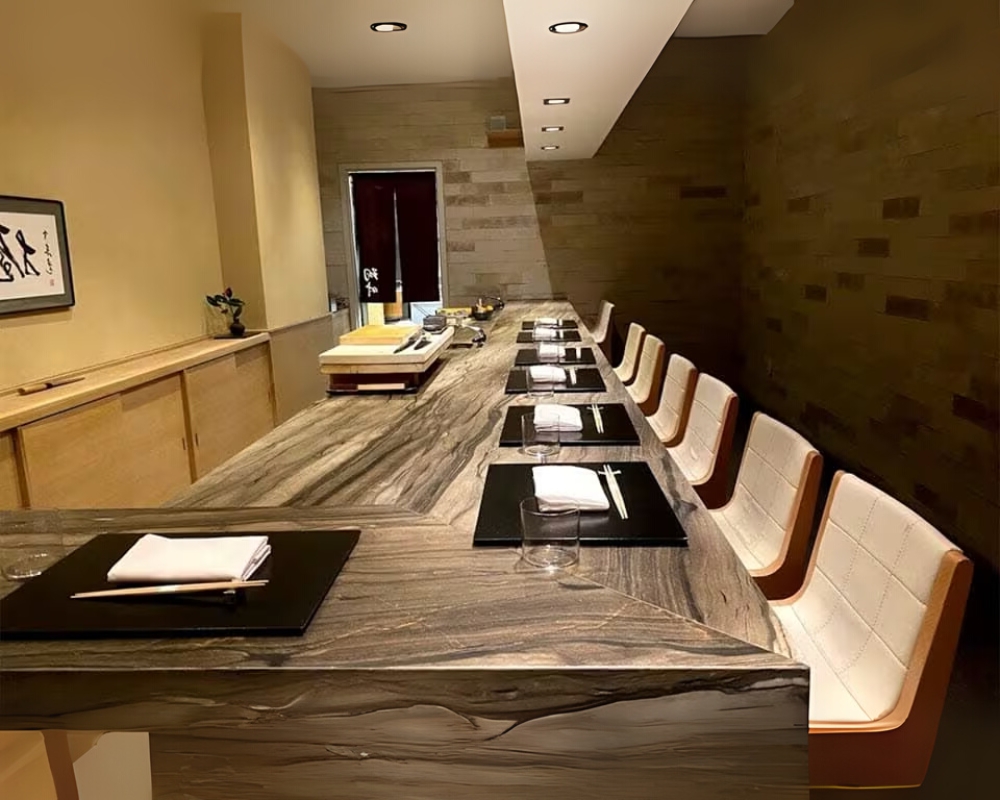
The 12-seat counter creates that classic intimate Edomae atmosphere, all light wood and exposed brick. But the real star might be their tamago—word on the street calls it the city’s best interpretation, and after tasting it, I can’t argue. It’s like a savory Japanese cheesecake that somehow encapsulates everything great about the meal.
5. Jōji
Hidden inside One Vanderbilt near Grand Central, Jōji markets itself as a “secret sushi den,” and the location beneath the chaos of midtown Manhattan drives that home. Lunch runs $295, dinner jumps to $410, neither including drinks, tax, or tip.
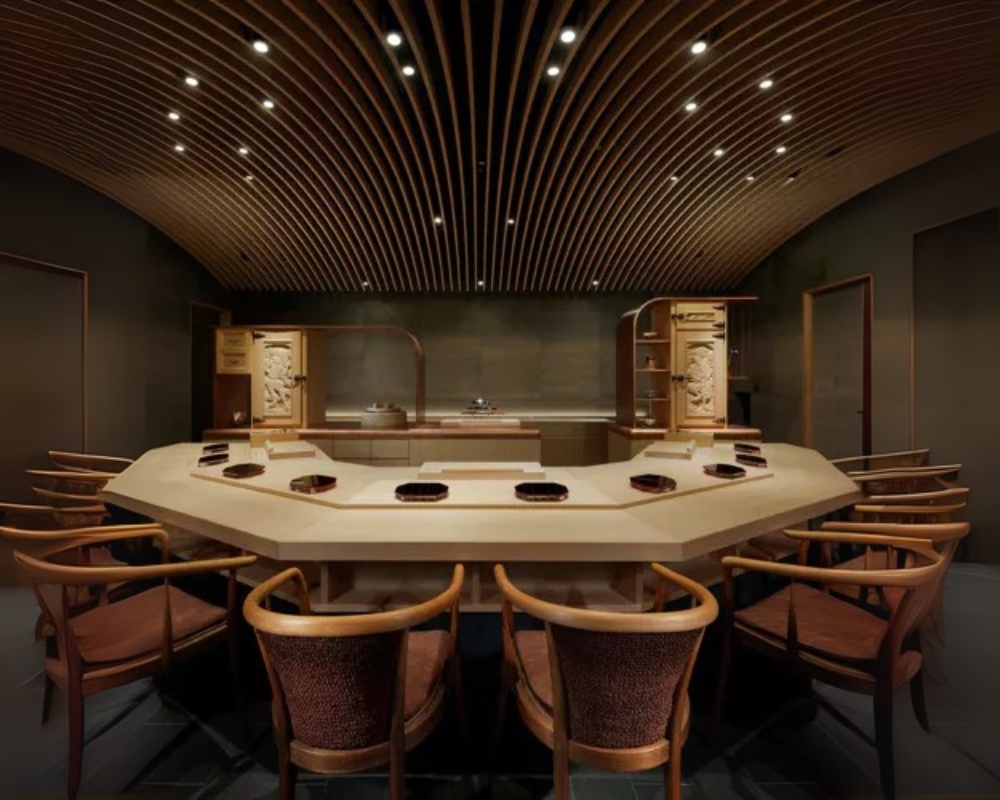
Chef-partners George Ruan (Masa alumnus) and Wayne Cheng (famous for spending three years just mastering rice) run this 10-seat counter plus 8-seat private room. What’s clever here is their approach to regulars—they promise a “personalized and different sushi omakase” for returning guests, building relationships that justify the steep prices.
The Dinex Group (Daniel Boulud’s operation) oversees things, which explains the French wine list depth. Fish flies in from Japan twice monthly, and the daily menu reflects what actually made it through customs in perfect condition. The cedar counter and curated ambient music create this bubble of calm that feels impossible given you’re basically inside Grand Central.
6. Nakaji
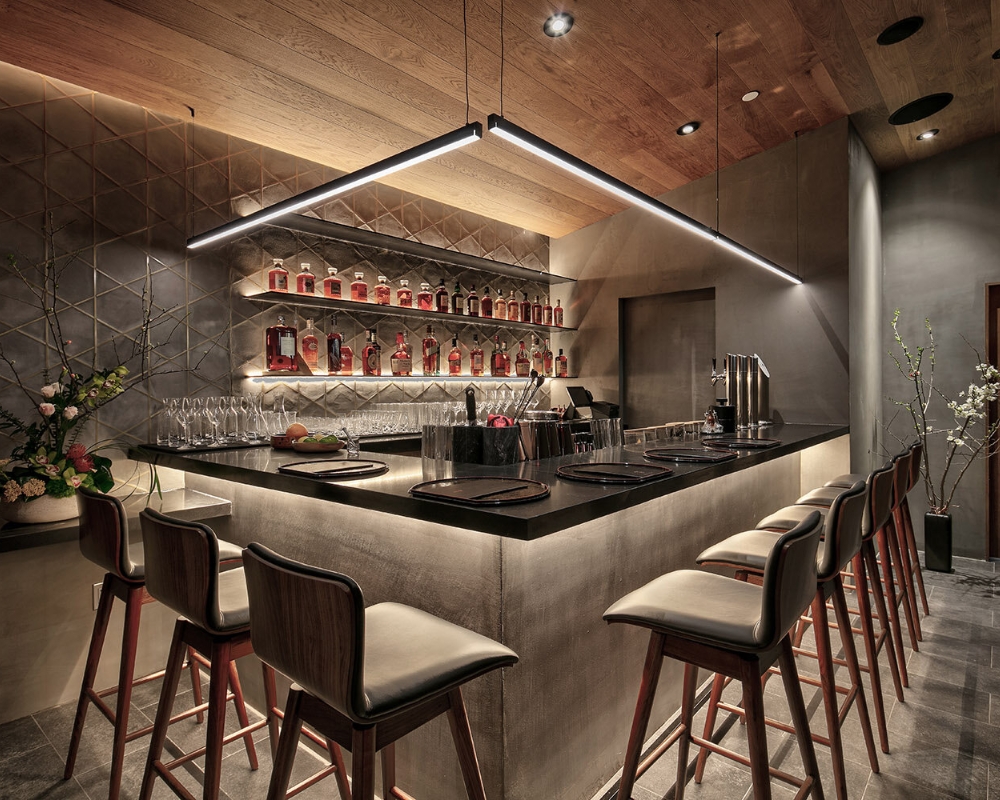
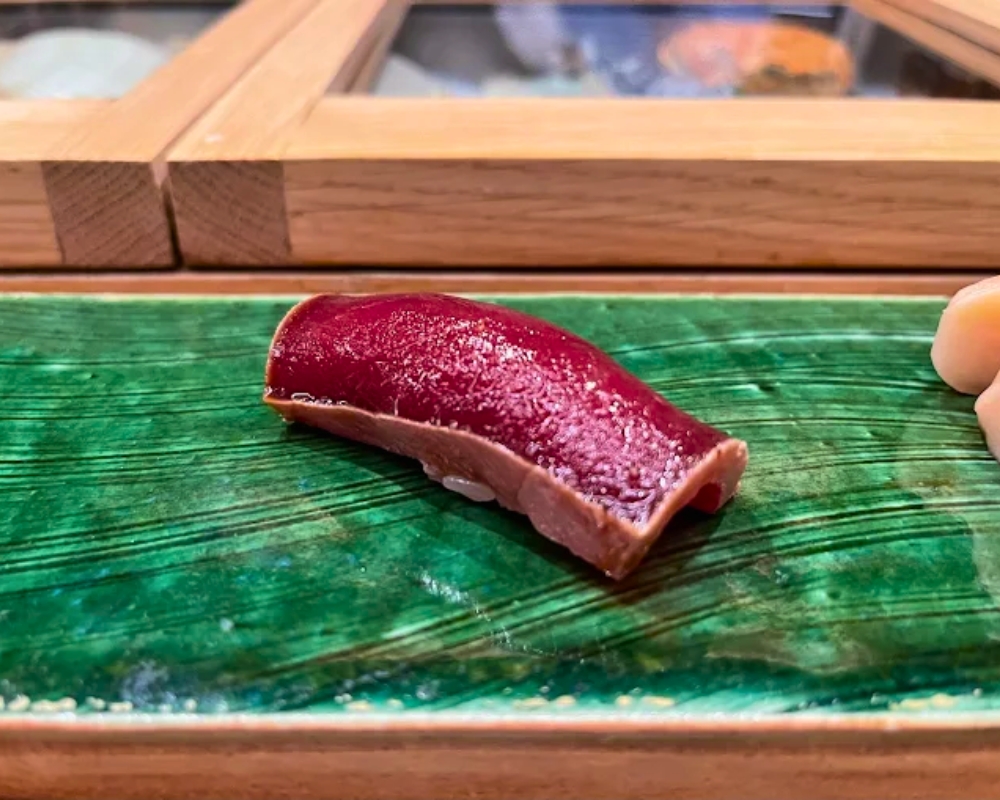
At $365 (before tax and tip), Nakaji on Bowery might seem like a “bargain” in this company, but don’t be fooled. Chef Kunihide Nakajima is a third-generation sushi chef from Tokyo, and that lineage shows in every cut.
The 10-seat counter is carved from 300-year-old hinoki cypress—notice a theme with these places and ancient wood? The synchronized dining means nothing starts until every guest arrives, creating this communal energy where strangers become dining companions. The flower arrangements change regularly, adding seasonal context to the 14-course progression.
What you’re paying for here is inherited knowledge. Three generations of sushi-making means techniques passed down that you can’t learn in culinary school. During my meal, Nakajima-san demonstrated a cutting technique his grandfather taught him that I’d never seen elsewhere—it changed the texture of kohada completely.
Still Wallet-Bruising but Slightly More Accessible ($250-400)
Beyond the $500+ stratosphere, NYC’s expensive sushi scene offers what I call “gateway luxury”—places where $300-400 gets you close to perfection without requiring a second mortgage. These spots often serve as proving grounds where future superstars cut their teeth or where established masters run more accessible operations.
The sweet spot in this range delivers maybe 90% of what you get at Masa for 40% of the price. You might miss some ultra-rare fish or the deepest aged preparations, but the fundamentals—perfect rice, pristine fish, masterful knife work—remain uncompromised.
Why These Places Charge What They Do
After countless conversations with chefs, suppliers, and industry insiders, I’ve mapped the real cost structure behind NYC expensive sushi. It’s more complex than just “expensive fish + high rent = crazy prices.”
Start with sourcing. When restaurants claim they’re flying fish from Japan, they’re not using commercial cargo. The best places charter specific refrigerated compartments on passenger flights, maintaining precise temperatures from Tsukiji to JFK. One chef showed me invoices—shipping alone can hit $50 per pound.
Then consider yield. Premium sushi uses maybe 40% of each fish. The rest? Too stringy, wrong texture, minor imperfections invisible to normal humans but glaring to trained eyes. When you’re paying $300/pound wholesale for bluefin, that waste adds up fast.
Labor costs in this tier are astronomical. A proper sushi chef trains for a decade minimum. The best NYC sushi restaurants expensive enough to make this list employ multiple six-figure itamae. Your meal might involve five people you never see—the buyer in Japan, the handler at JFK, the morning prep chef, the rice specialist, plus front-of-house staff fluent in Japanese hospitality standards.
Real estate obviously matters. Masa’s Time Warner Center location probably costs more monthly than most of us make yearly. But even “cheaper” spots in Tribeca or the Upper East Side face $40,000+ monthly rents for intimate spaces. Divide that by maybe 30 covers nightly, factor in New York’s insane commercial tax rates, and the math gets brutal quickly.
But here’s the hidden cost nobody discusses: relationships. The best fish doesn’t go to the highest bidder—it goes to chefs with decades-long connections. When Shion gets pristine kohada or Noz sources rare shellfish, they’re cashing in on relationships built over decades of 3 AM calls and personal visits to fishing villages.
What Different Price Points Actually Buy
Through exhaustive “research” (read: eating my way into debt), I’ve identified clear tiers in what expensive sushi restaurants in NYC deliver at different price points.
At $250-350, you’re getting excellent fish, properly prepared rice, and genuine technique. What you’re missing: the absolutely rarest specimens, extreme aging programs, and the deepest chef interaction. Think of it as business class—legitimately luxurious but not private jet territory.
The $400-500 range adds exclusivity and innovation. Restaurants here source fish others can’t access, employ advanced aging techniques, and create more personalized experiences. You’re likely sitting at an 8-10 person counter where the chef knows your name by meal’s end.
Above $500, you’re buying cultural preservation and absolute access. These places serve fish typically reserved for Tokyo’s elite, employ techniques most chefs can’t execute, and create environments impossible to replicate. It’s not just dinner—it’s participatory theater where you’re both audience and co-star.
The Social Currency of Extreme Sushi
Here’s something rarely discussed: expensive sushi place NYC dining has become its own social currency. Scoring a Masa reservation signals more than wealth—it demonstrates cultural sophistication and connections. I’ve watched business deals close over o-toro, seen marriage proposals at Noz’s counter, observed how certain restaurants become neutral territories for New York’s various power tribes to intermingle.
This social element partially justifies pricing. When you’re sitting next to Grammy winners, UN diplomats, or tech founders, the meal becomes networking. The hushed conversations overheard at these counters provide intelligence worth more than any financial newsletter. Some regulars admit they expense meals not for client entertainment but for competitive intelligence.
Maximizing Your Investment in High-End Sushi
If you’re going to plunge into most expensive sushi NYC territory, some strategies maximize value:
Book lunch when available. Places like Jōji offer identical quality at significant discounts during weekday lunch. You’re getting dinner ingredients with better lighting and less scene-y crowds.
Build relationships strategically. Choose one or two places and become a regular rather than bouncing around. My third visit to Nakaji unlocked off-menu items. By visit five, the chef was texting me about special shipments.
Skip beverage pairings initially. I know this sounds crazy at wine-focused places, but your first visit should focus entirely on the sushi. Return for pairings once you understand the chef’s style—you’ll appreciate the interplay more.
Sit where the action happens. Counter seats directly in front of the head chef cost the same as end positions but deliver completely different experiences. You want to see knife work, ask questions, and build rapport.
Time your visits strategically. Tuesday-Thursday typically see the best fish variety as shipments arrive mid-week. Avoid Sundays/Mondays when weekend inventory depletes. Some chefs take Mondays off entirely.
The Uncomfortable Truth About Diminishing Returns
Let’s be honest: the jump from a $200 omakase to $500 doesn’t deliver proportional quality increases. I’ve had mind-blowing meals at places charging a third of Masa’s prices. Once you pass $300-350, you’re paying for increasingly marginal improvements—fish from specific boats rather than regions, rice aged six months versus three, a chef who trained 15 years versus 10.
These distinctions matter to some. I include myself in that obsessive category. But they’re not objectively “better” in ways most diners can appreciate. It’s like audiophiles debating $10,000 speaker cables—real differences exist, but only trained ears detect them.
Conclusion
After years of eating through NYC’s expensive sushi landscape, from $300 gateway experiences to $1,000 marathons at Masa, I’ve reached a few conclusions. The most expensive sushi restaurants in NYC operate less as restaurants and more as cultural institutions, preserving and evolving a craft that would otherwise disappear as Tokyo gentrifies and traditions fade.
Whether they’re “worth it” depends entirely on your personal value system, disposable income, and what you seek from dining. For some, Masa’s $950 hinoki counter experience represents the pinnacle of human achievement in transforming raw fish into art. For others, it’s an obscene display of excess in a city with shocking inequality.
What’s undeniable is that these temples of expensive sushi NYC preserve something precious: absolute dedication to craft in an era of shortcuts and efficiency. Every grain of rice, every slice of fish, every gesture reflects decades of training and centuries of tradition. That commitment, more than any specific piece of tuna, justifies their existence—and their prices—in New York’s dining ecosystem.